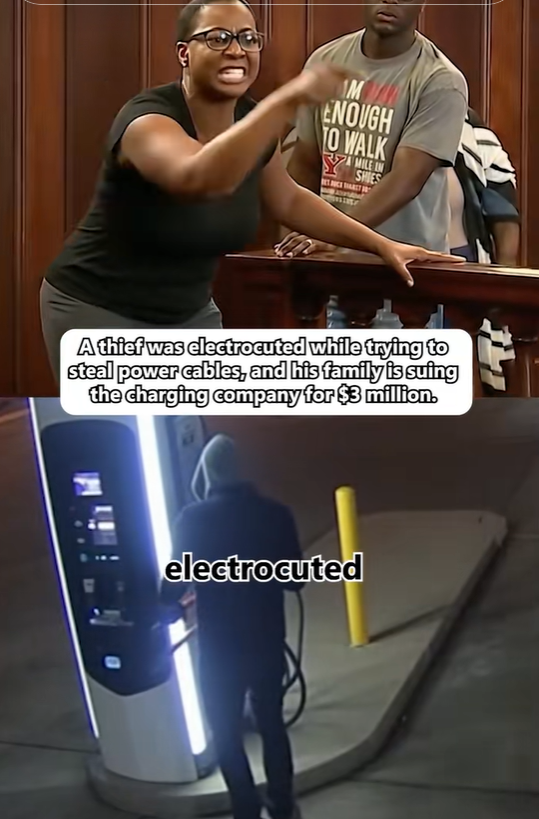
The family of a man who died after being electrocuted while attempting to steal power cables has filed a $3 million wrongful death lawsuit against a regional utility company, alleging negligence and failure to secure hazardous infrastructure.
The incident occurred shortly after midnight last summer at a fenced electrical substation on the city’s industrial outskirts. Police say the man, identified as 29-year-old Carlos Mendoza, entered the restricted area with tools commonly used for cutting copper wiring.
According to investigators, Mendoza came into contact with a live power line and was fatally electrocuted. Emergency crews pronounced him dead at the scene. Authorities ruled the death an accident and noted that Mendoza did not have authorization to be on the property.
No criminal charges were filed, though police classified the incident as a theft attempt.
Despite those findings, Mendoza’s family filed a civil lawsuit this week against GridWest Energy, the company that owns and operates the substation. The lawsuit alleges the facility lacked adequate security measures, warning signage, and safeguards to prevent unauthorized access to high-voltage equipment.
“This death was preventable,” said family attorney Jonathan Ruiz during a press conference Tuesday. “Our position is simple: when you operate extremely dangerous equipment, you have a duty to ensure it is properly secured, even against foreseeable trespass.”
The lawsuit seeks $3 million in damages for funeral expenses, lost future income, and emotional distress. It argues that previous thefts of copper wiring in the area should have prompted stronger protections, such as reinforced fencing and improved surveillance.
GridWest Energy rejected the claims in a written statement, calling the lawsuit “without merit.”
“This was a clearly marked, restricted facility,” the company said. “Mr. Mendoza knowingly trespassed and engaged in illegal activity that directly led to his death. GridWest complied with all safety regulations and industry standards.”
Court records show the substation was surrounded by fencing and posted with multiple warning signs indicating the presence of high-voltage equipment. Prosecutors noted those details when declining to pursue criminal liability against the company.
Legal experts say the case highlights the distinction between criminal responsibility and civil liability.
“In civil court, the question isn’t whether the deceased broke the law — that’s already established,” said law professor Dana Whitaker. “The question is whether the property owner took reasonable steps to prevent foreseeable harm.”
The case has sparked strong reactions among the public. Some residents expressed sympathy for the family’s loss but questioned the basis of the lawsuit.
“It’s tragic, but he shouldn’t have been there,” said local business owner Mark Ellison. “You can’t blame the power company for someone cutting live cables.”
Others argue that infrastructure owners should anticipate theft attempts and design facilities accordingly.
“Copper theft is common,” said community advocate Rosa Martinez. “Companies know this happens. They should do more to keep people out and alive.”
Mendoza’s family described him as a father of two who struggled financially and made what they called “a desperate mistake.”
“We are not excusing what he did,” said his sister in a statement. “But one mistake should not end a life.”
The lawsuit comes amid a nationwide increase in copper thefts, which utility companies say pose serious risks not only to those involved but also to surrounding communities due to power outages and safety hazards.
A preliminary hearing in the civil case is scheduled for later this fall. While criminal liability appears unlikely, the outcome of the lawsuit could have broader implications for how utilities secure critical infrastructure and respond to unauthorized access.
As the case moves forward, it is expected to raise difficult questions about responsibility, risk, and where accountability lies when illegal actions end in fatal consequences.