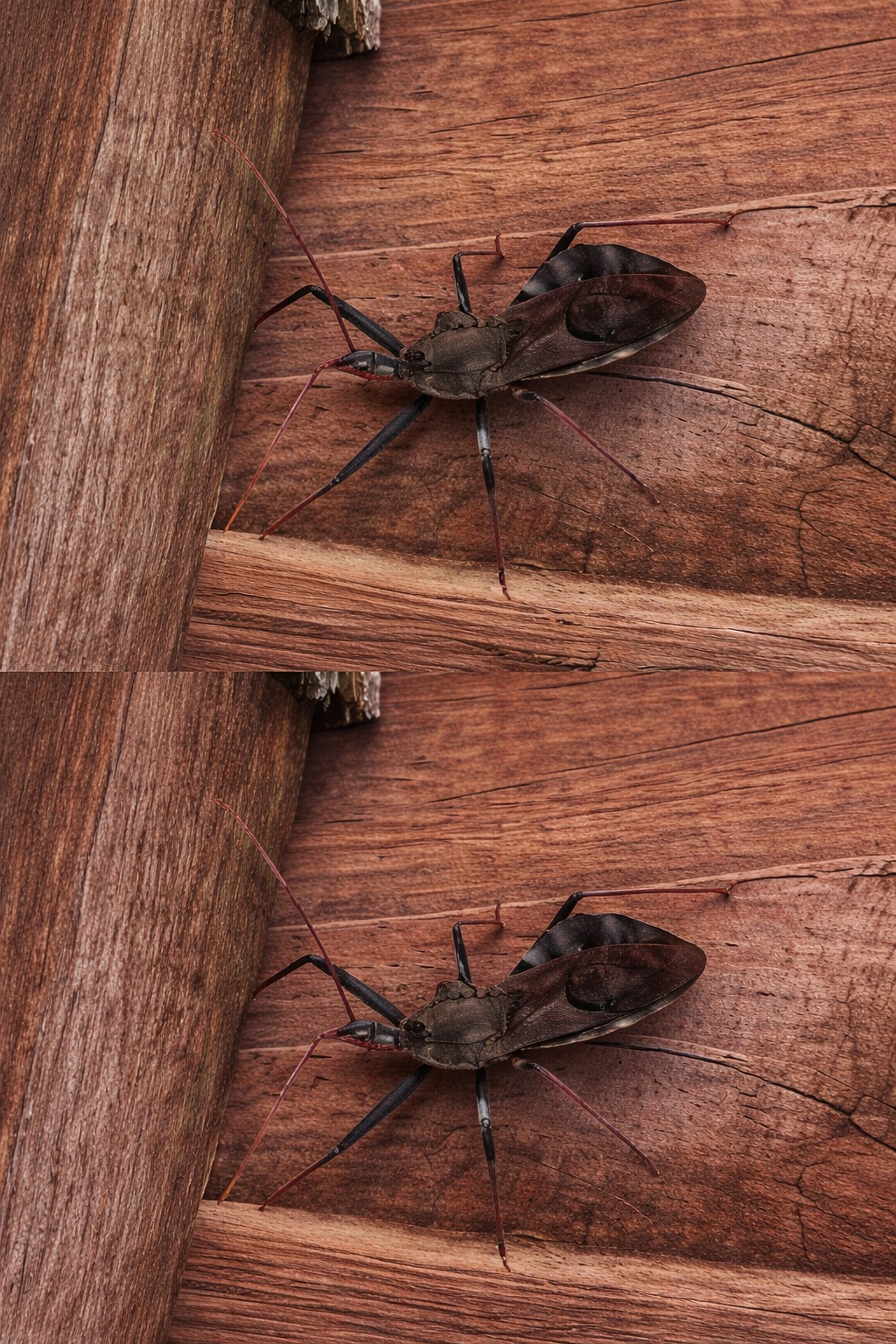
Warm summer days invite families outdoors to enjoy sunshine, fresh air, and long evenings in nature. But along with the familiar buzz of mosquitoes and the quiet presence of ticks, another insect is drawing increasing attention in parts of the United States—the assassin bug, often called the “kissing bug.” While many people have never heard of this pest, growing awareness about its behavior and potential health impact is making it an important topic each summer.
Assassin bugs feed on the blood of humans and animals, usually at night while people sleep. Their bites are often painless at first, which means many individuals may not even realize they have been bitten. The real concern, however, is not simply the bite itself. What happens afterward can pose a more serious risk.
These insects sometimes leave droppings near the bite site, and in certain cases, those droppings may contain parasites capable of entering the body through broken skin or sensitive areas such as the eyes or mouth. This transmission route is associated with Chagas disease, an infection that can become serious if left untreated. Early symptoms may include fever, headaches, fatigue, skin rashes, or vomiting—yet some people experience no noticeable signs at all, allowing the infection to remain hidden.
Over time, untreated Chagas disease can quietly affect vital organs, especially the heart. Years after the initial exposure, individuals may develop complications that are far more difficult to manage. Because of this delayed impact, early detection and medical care are extremely important for improving long-term health outcomes.
In the United States, assassin bugs are most commonly found in southern regions, though their range covers a wide geographic area. They typically live outdoors in places such as woodpiles, gardens, brush, animal shelters, or beneath porches. Still, they can occasionally make their way indoors through small cracks, gaps, or cluttered entry points—particularly in warmer months when insect activity increases.
Fortunately, simple prevention steps can significantly reduce the chance of encountering these insects. Keeping outdoor areas tidy, removing debris and stacked wood near the home, sealing openings around doors and windows, and maintaining clean sleeping spaces all help limit hiding places. Using protective screens and practicing general insect-control habits can also make a meaningful difference.
If someone suspects they have been bitten by an assassin bug—especially if unusual symptoms appear—seeking medical advice promptly is the safest choice. Healthcare professionals can recommend testing when appropriate, and early treatment is known to greatly improve outcomes when infection is present.
Awareness, rather than fear, is the most powerful tool. By understanding where these insects live, how transmission can occur, and what prevention steps are effective, people can continue enjoying the beauty of summer with greater confidence. A few thoughtful precautions allow outdoor moments to remain what they should be—relaxing, joyful, and safe for everyone.