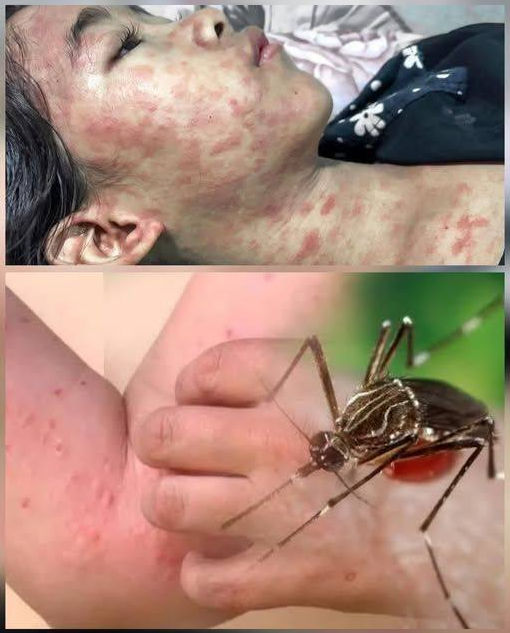
Outbreak Overview – What’s Happening in China
China is currently experiencing a significant outbreak of the mosquito-borne chikungunya virus, centered in Guangdong Province in the country’s far south. Health authorities there have confirmed more than 7,000 cases of the disease — with some reports suggesting the number may be approaching or exceeding 8,000 — marking this the largest chikungunya outbreak ever documented in mainland China.
The city of Foshan has been the epicentre of the outbreak, with additional infections reported in other cities within Guangdong province such as Guangzhou, Zhanjiang, and even in adjacent areas like Jiangmen, which has declared a Level III public health emergency after reporting over 1,700 cases itself.
This situation has drawn international attention — including from the U.S. Centers for Disease Control and Prevention (CDC), which issued an elevated travel advisory.
What Is Chikungunya?
Chikungunya is a viral infection caused by the chikungunya virus (CHIKV). The virus is not new — it was first identified in Tanzania in 1952, and its name comes from a word in the Makonde language meaning “that which bends up,” referring to the severe joint pain it can cause.
Transmission
Chikungunya is spread by infected mosquitoes, particularly species in the Aedes genus (the same mosquitoes that spread dengue and Zika). These mosquitoes bite an infected person and then can transmit the virus when they bite another person. Direct human-to-human transmission does not occur, and the virus cannot be spread by coughing, sneezing, or casual contact.
Because the mosquito vectors thrive in warm, wet environments — especially in urban areas where water puddles and standing water are common — outbreaks often correspond with rainy seasons and high humidity, which appears to have been a contributing factor in Guangdong.
Signs and Symptoms of Chikungunya
After a person is bitten by an infected mosquito, symptoms typically appear 3–7 days later. Common clinical features include:
- Sudden high fever
- Severe joint pain (often debilitating)
- Muscle pain
- Headache
- Fatigue
- Rash that may appear 2–5 days after onset
- Swollen joints, especially wrists, ankles, and small joints **
Most people recover within a week to 10 days, but severe joint pain can persist for months or even years in a subset of patients. Rare complications include neurological issues, such as encephalitis (brain inflammation) or Guillain-Barré syndrome, particularly in older adults or those with underlying health conditions.
Although deaths from chikungunya are rare, the disease is far from trivial — especially when a large number of people are infected at once, which burdens local health systems and economic productivity.
Diagnosis, Treatment & Prevention
Diagnosis
Chikungunya is typically diagnosed through blood tests that detect the virus’s genetic material (PCR) or antibodies produced in response to infection. Rapid and accurate diagnosis is important to distinguish chikungunya from related mosquito-borne illnesses like dengue and Zika, which can require different management approaches.
Treatment
There is no specific antiviral treatment for chikungunya. Care is supportive, focusing on:
- Fever reduction with pain relievers such as acetaminophen
- Hydration
- Rest
- Anti-inflammatory medications for joint pain
Hospitalization may be necessary for individuals with severe symptoms, especially the elderly, newborns, or those with comorbidities.
Vaccines
A few vaccines against chikungunya have been approved in some countries (e.g., in parts of Europe, Brazil, and Canada), primarily for travelers, but these are not widely available globally and are not yet part of routine vaccination programs in places like China.
Prevention
Because there is no widely distributed vaccine or specific treatment, mosquito control and bite prevention are the most effective strategies. These include:
- Removing standing water around homes and construction sites
- Using mosquito nets and screens
- Applying insect repellent
- Spraying insecticides
- Community efforts such as releasing mosquito-eating fish or deploying drones to identify breeding sites
In Guangdong, authorities have imposed fines for leaving standing water that could breed mosquitoes — penalties up to around US$1,400 in some cases — and have stepped up public sanitation and spraying efforts.
Public Health Response in China
The outbreak has prompted a multi-layered response from Chinese health authorities, including:
- Emergency declarations in affected cities
- Mandatory hospitalization or isolation of patients in places like Foshan until they test negative or complete treatment
- Mass mosquito control operations using insecticides and community engagement
- Public education campaigns encouraging residents to eliminate water sources where mosquitoes breed Reports from Guangdong also suggest that, after an initial surge, daily new case numbers began declining in some parts of the province as control measures took effect and mosquitoes were reduced.
Global Context and Risks
Chikungunya is not unique to China. It’s endemic in many tropical and subtropical regions of Africa, Asia, and the Americas, and outbreaks have been increasing globally in recent years due to climate change, urbanization, and the expansion of mosquito vectors.
For example, in the first half of 2025, the virus caused hundreds of thousands of cases worldwide, including outbreaks in South America and the Caribbean.
Transmission outside mosquito habitats is unlikely. There is currently no evidence that chikungunya spreads directly between humans like influenza or COVID-19. Instead, it requires an infected mosquito vector, which limits how far outbreaks can spread naturally.
Travel advisories from international health agencies recommend:
- Enhanced mosquito bite prevention for travelers to affected regions.
- Routine illness monitoring and immediate medical consultation if symptoms develop after travel.
What This Means Moving Forward
This outbreak highlights several key public health lessons:
Vector-Borne Diseases Remain a Serious Threat
Even illnesses perceived as “tropical” can emerge unexpectedly if environmental conditions change, and populations lack prior immunity.
Climate Change and Urban Growth Increase Risk
Warmer temperatures, heavier rainfall, and expanding urbanization create ideal conditions for Aedes mosquitoes to thrive, making outbreaks more likely in regions previously unaffected.
Preparedness Matters
China’s response — though criticized in some quarters for heavy-handed measures reminiscent of COVID-19 containment — shows how quickly authorities can mobilize when a new disease threat emerges.
Real Human Impact
While most chikungunya cases are mild and non-fatal, the pain and disability associated with prolonged joint symptoms can be significant, especially for vulnerable groups like the elderly, infants, or people with underlying health issues.
In Summary
- Thousands of chikungunya cases have been reported in southern China — particularly Guangdong province — in the largest outbreak ever documented there.
- The virus spreads through infected mosquito bites and causes fever, joint pain, rash, and fatigue.
- Most infections are mild, but long-term joint pain and rare severe complications are possible.
- There is no specific cure; mosquito control and supportive care are the main defenses.
- Global health authorities are monitoring the situation and advising travelers to take precautions.
