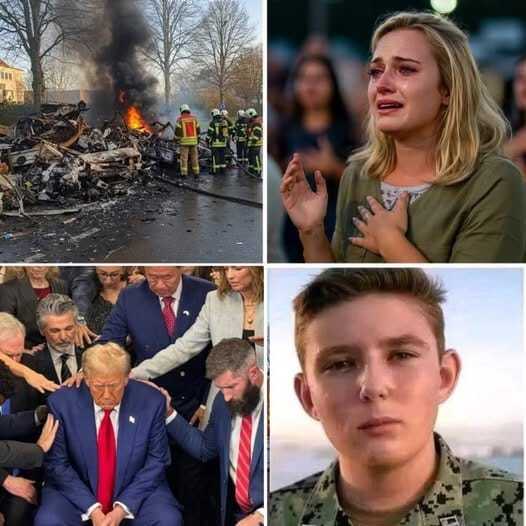
In a historic and deeply consequential legal development, former U.S. President Donald J. Trump was indicted by a federal grand jury in Washington, D.C., on four felony charges related to his efforts to overturn the results of the 2020 presidential election and obstruct the peaceful transfer of power. This indictment, returned on August 1, 2023, marked the first time in American history that a former president has faced federal criminal charges for actions taken while in office. Wikipedia
The charges were brought by Special Counsel Jack Smith as part of a long-running investigation into the events surrounding the aftermath of the 2020 election and the January 6, 2021, attack on the U.S. Capitol. Prosecutors allege that Trump engaged in a coordinated effort to subvert democratic processes even after losing the election to President Joe Biden. ABC News
The Four Federal Charges Explained
According to the indictment, Trump is facing the following four counts:
- Conspiracy to Defraud the United States
This charge alleges that Trump and unnamed co-conspirators used deception, fraud, and dishonest tactics to impair, obstruct, and defeat the lawful functions of the federal government — especially the processes related to collecting, counting, and certifying electoral votes. Prosecutors say the goal was to “undermine public confidence” in the election results and improperly retain power despite losing. Congress.gov - Conspiracy to Obstruct an Official Proceeding
This count stems from alleged plans to delay or prevent the formal certification of the election by Congress on January 6, 2021. The indictment says Trump and his allies discussed ways to impact the proceedings meant to finalize the Electoral College count. Congress.gov - Obstruction of and Attempt to Obstruct an Official Proceeding
Closely related to the second charge, this accusation focuses on the actual attempt to obstruct and then to obstruct the joint session of Congress. This is the same basic charge used against many individuals who participated in the January 6 Capitol breach. Congress.gov - Conspiracy Against Rights
This charge alleges that Trump and his co-conspirators sought to infringe on citizens’ constitutional rights — specifically the right of voters to have their lawful votes counted and certified. Prosecutors say the conduct was designed to intimidate and interfere with the fundamental democratic process. Congress.gov
What Led to the Indictment
The indictment centers on the two-month period after the 2020 election. Prosecutors allege that Trump repeatedly claimed, without evidence, that the election was stolen and riddled with fraud. Despite having lost the election, he continued to promote these claims widely — and, according to the indictment, did so knowing they were false. Wikipedia
Among the actions described in the federal charging document are Trump’s efforts to:
- Pressure state election officials in key battleground states to alter results;
- Advocate for so-called “fake electors” to submit false electoral vote certificates;
- Urge then-Vice President Mike Pence to refuse to certify legitimate electoral votes;
- Encourage supporters to come to Washington, D.C. on January 6;
- Continue spreading false narratives even as rioters forced Congress to halt the certification process. Justia Law
Legal Responses and Defense
Trump has pleaded not guilty to all four charges. His legal team has argued that many of the disputed actions were part of political speech or official duties, and he has pushed back against the charges as politically motivated. Earlier attempts to have the indictment dismissed on the basis of presidential immunity — the idea that a president cannot be criminally prosecuted for official acts — were rejected by lower courts. Some elements of this legal argument even reached the U.S. Supreme Court, which acknowledged the complexity of presidential immunity while rejecting a blanket dismissal. Justia Law
Broader Context
This federal election interference case is just one of several legal challenges Trump has faced. He has been indicted multiple times on other matters — including classified documents and state cases — making him the first president or former president in U.S. history to face criminal charges in more than one jurisdiction. CBS News
Significance
The charges strike at the heart of American democracy: the peaceful transfer of power and the integrity of elections. Beyond the legal proceedings, the indictment has fueled broader national debate about accountability, political norms, and the boundaries of presidential power. Supporters of the charges argue they are necessary to uphold the rule of law. Critics say they are politically motivated. What is clear is that the case has had and will likely continue to have long-lasting effects on American politics, the justice system, and public trust in democratic institutions.