Using someone’s chosen name and pronouns is not simply a matter of courtesy. It is one of the most direct, meaningful ways to affirm who they are.
In everyday life, that respect can shape whether a person feels seen or dismissed. In healthcare settings, where patients are often at their most vulnerable, it matters even more.
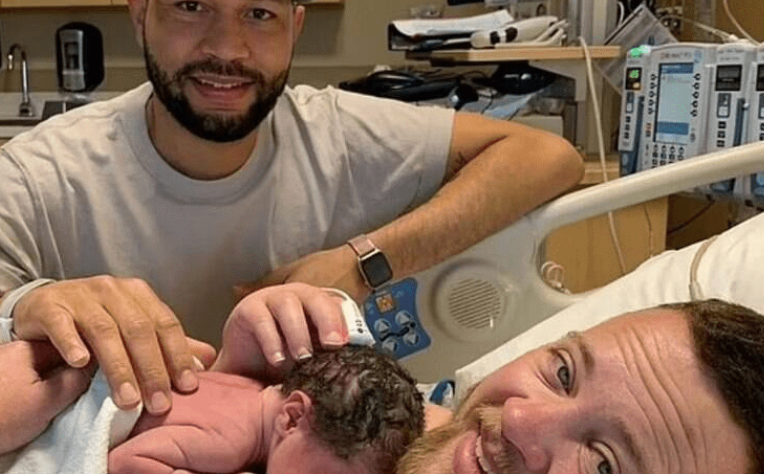
Yet traditional assumptions about gender still influence how medical professionals speak and act. That was the experience of Bennett Kaspar-Williams, a transgender man who gave birth to his son, Hudson, in 2020. Although he was open about his identity and his medical records clearly reflected that he is male, he was repeatedly referred to as “mother” during his scheduled C-section. What should have been one of the happiest days of his life became layered with frustration and emotional strain.
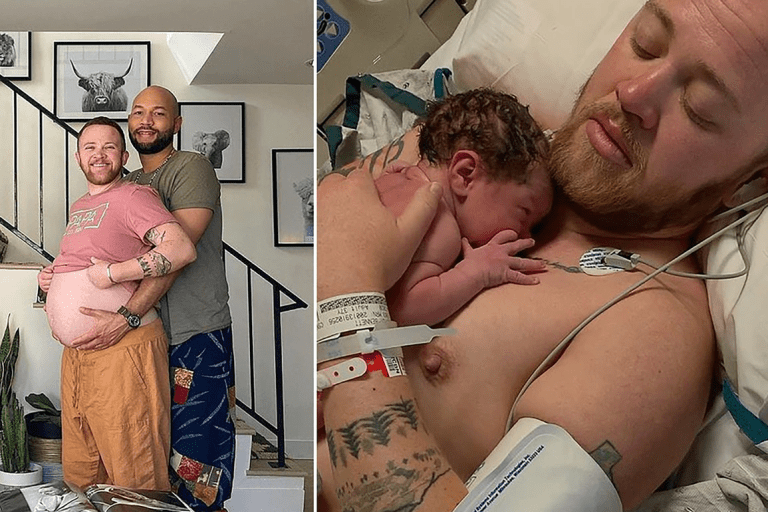
Bennett first realized he was transgender in 2011. Like many people who come to understand their identity later in life, that recognition brought both clarity and challenges. In 2014, he began his transition. He underwent top surgery, a step that helped align his physical appearance with his identity. However, he chose not to pursue bottom surgery. That personal decision meant he retained the biological capacity to carry a pregnancy. Years later, when he and his partner began talking about building, that fact became significant. For them, the choice to have a child was grounded in love and intention. Bennett’s ability to carry the pregnancy was simply the most practical path to parenthood.
The pregnancy itself was meaningful and deeply wanted. Bennett has been clear that carrying his son was not a source of shame. Instead, the most difficult part of the journey was the language used around him. Throughout prenatal appointments and ultimately during the delivery, he was often addressed as “mom” or “mother.” Even when staff members were corrected, those gendered terms resurfaced. In a moment as intense and vulnerable as surgery, hearing himself repeatedly labeled in a way that contradicted his identity was painful. For Bennett, it was not about semantics. It was about recognition. Being misgendered during such a pivotal life event created feelings of dysphoria, a psychological discomfort that arises when a person’s gender identity is not acknowledged or is invalidated.
Bennett has emphasized that pregnancy is a biological process, not a gender identity. In his view, carrying a child did not redefine who he was. He did not see himself as a woman because he was pregnant. He saw himself as a man who happened to use his body’s capabilities to bring his child into the world. That distinction is central to his message. Society often equates childbirth exclusively with womanhood.